
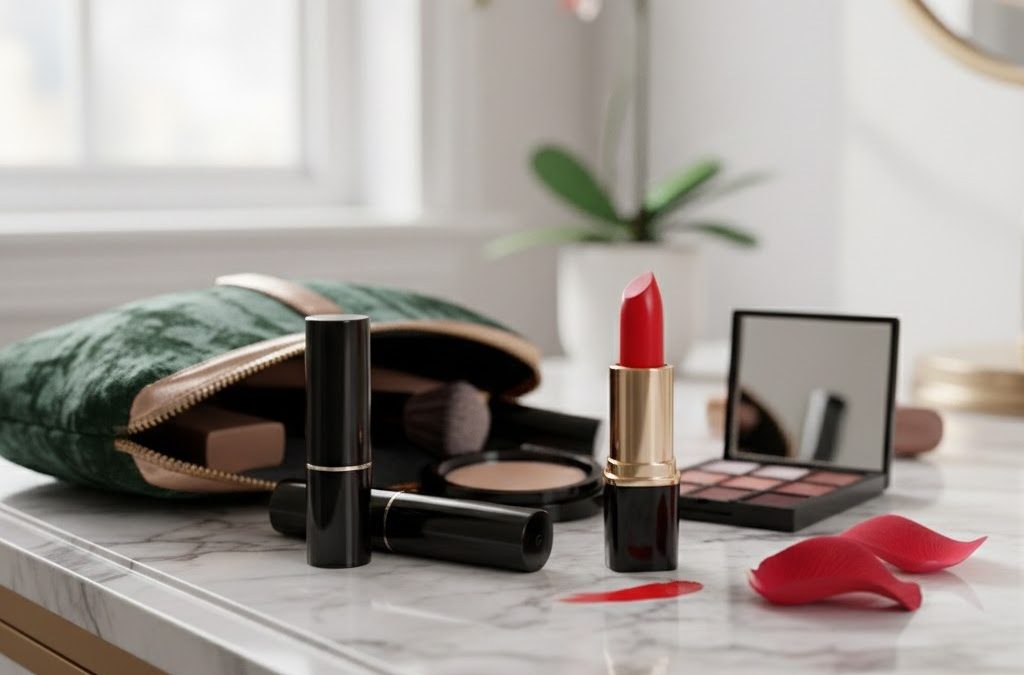
When the economy feels uncertain, people don’t stop spending, they simply change how they spend. This shift has long been recognised as the lipstick effect: when bigger purchases feel risky, people turn to small, affordable treats that offer comfort, confidence, or a quick lift in mood.
But today this behaviour has evolved. It’s no longer just about indulgence. Consumers are choosing small luxuries that support their wellbeing, help express their identity, and create tiny moments of joy in otherwise pressured routines. And no category demonstrates this more clearly than beauty.
Recent consumer insight research highlights several forces behind this shift. At the heart of it is a generational change; Gen Z and Millennials are driving demand. Beauty products in particular now play a role far beyond surface-level appearance. A face mask becomes a moment of calm. A fragrance acts as a personal signature or grounding ritual. Even a simple lip balm can be a quiet confidence booster.
This deeper emotional meaning explains why small luxuries continue to thrive even when other categories soften. Beauty has expanded into new territory. It now embraces creativity, personalisation, and micro-experiences. Consumers want products that feel expressive and sensory: accessible items that deliver emotional value while remaining practically affordable.
Because of this, beauty has become one of retail’s most resilient sectors. And brands that invest in market intelligence are adapting the fastest. They are using real behavioural data, not gut instinct, to shape products and experiences that match how people live, feel, and spend today.
A few examples make this clear:
- Sephora continues to expand trial and discovery zones across the US, making exploration fun, low-commitment, and budget-friendly.
- Boots has leaned into value-led innovation, building bundles and short-term offers that help shoppers manage tighter budgets without sacrificing quality.
- Fragrance brands are introducing layer bars, engraving stations, and personalised consultations, turning quick purchases into experiences worth sharing.
These moves work because they are grounded in strategic consumer research. They show how understanding real behaviour leads to smarter decisions, more engaging experiences, and stronger sales even in challenging conditions. When brands stay close to what people value, they stay relevant. They avoid the temptation to rely solely on discounting and instead innovate with purpose.
There is a wider lesson here: research is no longer a luxury — it’s an essential growth tool. In periods of uncertainty, it becomes even more important. Strong market intelligence helps businesses spot early shifts in needs before they appear in sales data. It reveals emerging tensions, unmet needs, and the first signs of new demand. And it gives leaders the confidence to act proactively rather than reactively.
Consumer needs never stand still. They evolve with culture, confidence levels, and everyday pressures. When a business invests in understanding these changes, it builds resilience. It becomes quicker at identifying opportunity. It can position products in ways that feel meaningful and timely. And it can move earlier than competitors.
If you want to understand your customers on a deeper level or uncover your next growth space, research is the place to start. Strategic insight turns uncertainty into clarity, helping you create experiences that matter, even when times feel tight.